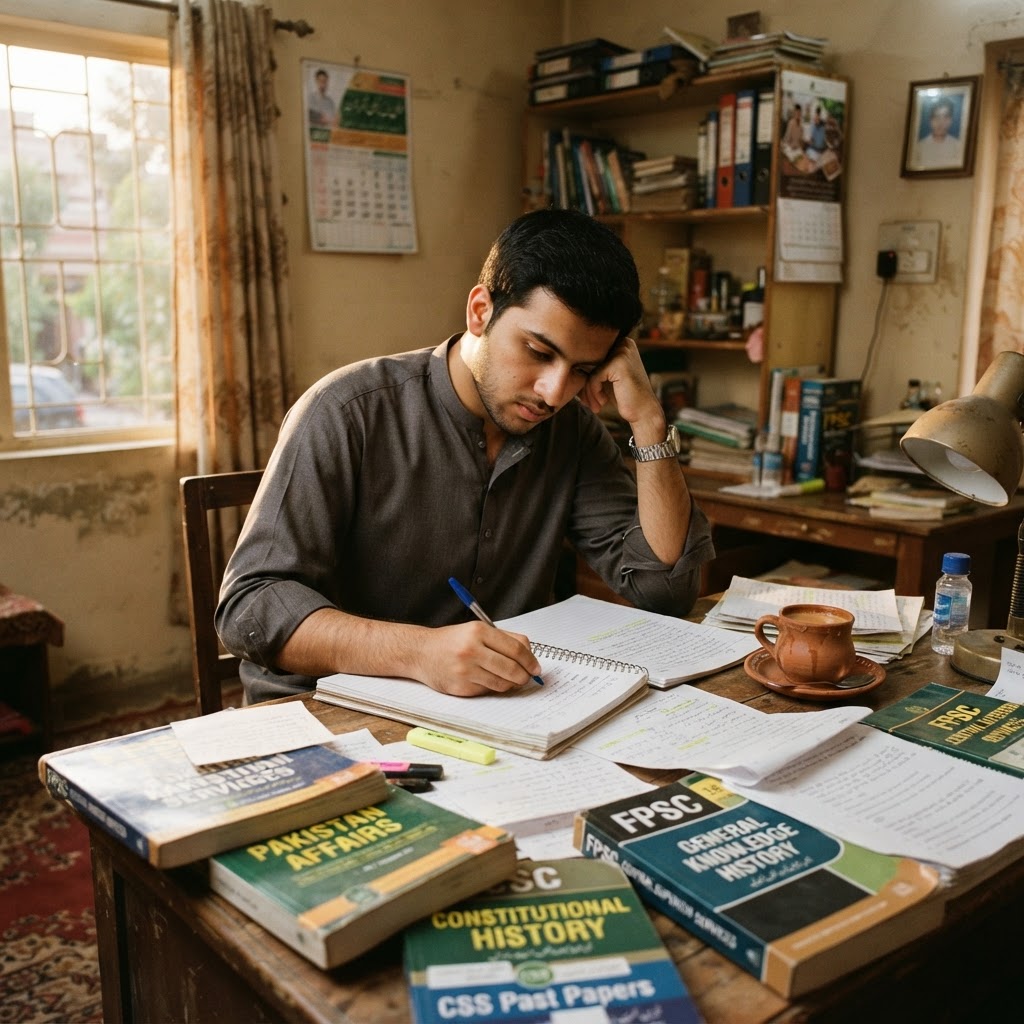
The Pakistani job market is changing fast. Degrees alone don't open doors the way they used to, and the skills that paid well five years ago are not the same ones paying well today. Here are the five questions every professional asks about skills and growth, with answers that reflect what actually works in 2026.
1. Which Skills Actually Pay in Pakistan?
This is the question everyone asks, and the answer has shifted significantly in the last few years.
Tech skills remain the highest-paying category. Software development (React, Python, mobile development), data analysis, cloud computing, and AI/ML are in high demand. A mid-level developer in Pakistan can earn Rs. 150,000-400,000 per month, and skilled freelancers earn significantly more in foreign currency.
Digital marketing has matured from a buzzword into a real career. SEO, paid advertising, social media management, and content marketing are all in demand. The barrier to entry is lower than tech, but the ceiling is also lower.
Accounting and finance (ACCA, CMA, CFA) remain strong, especially for professionals who combine traditional qualifications with tech skills (Excel, Power BI, ERP systems).
Specialized medical skills (dentistry, dermatology, cardiology) pay very well but require years of training and significant investment.
Trades and home services (electricians, plumbers, HVAC technicians) are underrated. A skilled electrician in Lahore or Karachi can earn Rs. 80,000-150,000 per month, and demand consistently exceeds supply.
The honest answer: Tech and digital skills offer the best ratio of learning time to income. Traditional professions (medicine, accounting) pay well but require years of investment. Trades are the hidden opportunity.
2. Should I Learn Online or Take a Formal Course?
The answer depends on the skill, but for most people, online learning is sufficient.
For tech and digital skills, the best resources are free or cheap. YouTube has complete courses on React, Python, digital marketing, and graphic design. Coursera and Udemy offer structured courses for Rs. 2,000-5,000. The quality is often better than what local institutes offer, because the content is created by global experts.
For professional certifications (ACCA, PMP, CFA, medical specialties), formal courses or institutes are still valuable, primarily because they provide the structured path to certification that employers and regulators require.
The mistake people make is thinking the platform matters more than the practice. Watching 100 hours of video tutorials teaches you less than building one real project.
The honest answer: Learn online for tech and digital skills. Use formal courses for professional certifications. Either way, spend more time building real projects than watching tutorials.
3. How Do I Show Employers What I Can Do?
This is where most Pakistani professionals fall short. They have skills but no way to prove it.
A CV listing skills is not enough. Employers want to see evidence. This means:
A portfolio. If you are a developer, link to GitHub repositories and live projects. If you are a designer, share a Behance or Dribbble profile. If you are a writer, share published articles. If you are a marketer, share campaign results.
A professional profile. Platforms like Masters Pakistan let you create a verified expert profile where clients can find you, see your portfolio, read reviews, and contact you directly. A complete profile with portfolio images, client reviews, and a verified badge is more powerful than any CV.
Client testimonials. If you have done work for clients (even small projects), ask them for a written testimonial. Social proof matters more than self-promotion.
The honest answer: Build a portfolio, get it online, and collect reviews. A professional with proof of work will always beat a professional with only a CV.
4. How Long Until I Am Good Enough to Earn?
This depends on the skill, your practice consistency, and whether you are learning full-time or part-time.
Basic proficiency (can do simple tasks): 3-6 months of consistent practice, 1-2 hours daily.
Job-ready competence (can handle real client work): 6-12 months. This is when you can start earning, even if you are not yet fast or confident.
Professional competence (can charge good rates): 12-24 months. At this stage, you can take on complex projects and deliver quality work.
Expertise (can command premium rates): 3-5 years. This is where your reputation and portfolio do the selling for you.
The key is project-based learning. Building real projects (even imaginary ones) teaches you more in a month than tutorials teach in three.
The honest answer: You can start earning within 6-12 months if you are consistent. Full expertise takes years, but you don't need to be an expert to start making money.
5. Should I Specialize or Be a Generalist?
This is the strategic question that most people get wrong early in their careers.
Early career (0-3 years): Be a generalist. Explore different skills, industries, and project types. You don't yet know what you will be good at or enjoy. Breadth helps you discover your strengths.
Mid career (3-7 years): Specialize. Pick one area and go deep. Specialists earn more than generalists because they solve harder problems. A "React developer" earns more than a "web developer." A "tax specialist for SMEs" earns more than a "general accountant."
Senior career (7+ years): You can broaden again, but from a position of deep expertise. This is how you become a "T-shaped professional": deep in one area, knowledgeable across many.
The honest answer: Start broad, then specialize. The biggest mistake is staying a generalist too long. The second biggest mistake is specializing too early, before you know what you are actually good at.
The Takeaway
Skills are the new currency in Pakistan's job market. Degrees open the first door, but skills keep you employed and growing.
Pick a high-income skill, learn it through projects, build a visible portfolio, and specialize once you find your strength. The professionals who do this consistently are the ones who thrive, regardless of the economic climate.