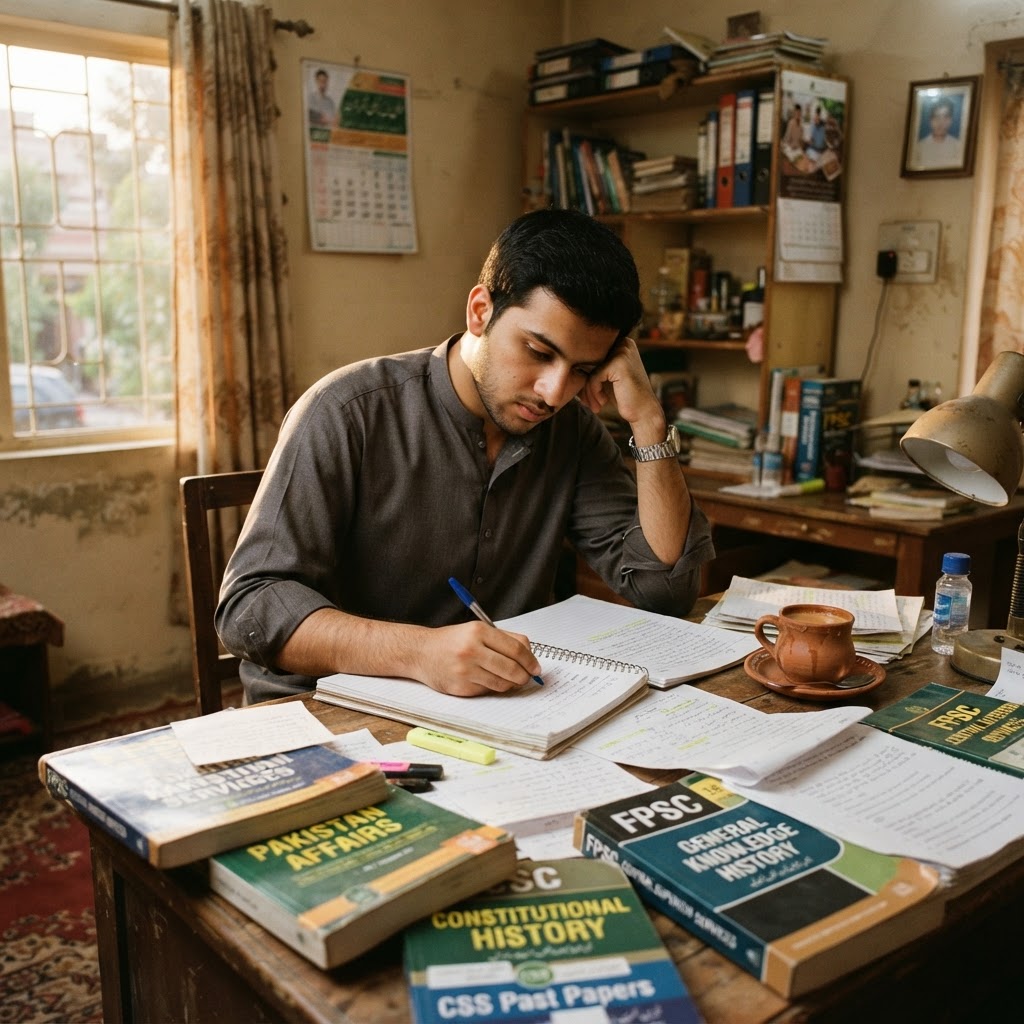
Freelancing has gone from a side hustle to a legitimate career path in Pakistan. We now have one of the world's largest freelancer populations, and the income potential is real. But the advice online is split between get-rich-quick hype and doom-and-gloom warnings. Here are the five questions every beginner asks, answered properly.
1. How Much Can I Actually Earn?
This is the first question, and the answer is less exciting than the YouTube ads suggest but more exciting than the skeptics claim.
Beginners (0-6 months): Rs. 20,000-50,000 per month. This is the hardest phase. You are building a profile, competing with established freelancers, and taking low-paying jobs to get reviews. Most people quit here.
Early stage (6-18 months): Rs. 50,000-150,000 per month. You have reviews, a portfolio, and repeat clients. You are charging more and working more efficiently. This is when freelancing starts to feel like a real career.
Established (18 months-3 years): Rs. 150,000-400,000 per month. You have a niche, a strong reputation, and clients who seek you out. You are selective about projects and charge premium rates.
Senior (3+ years): Rs. 400,000-1,000,000+ per month. At this level, you are either an agency owner managing a team, or a highly specialized freelancer commanding premium rates. The upper end is dominated by developers, data scientists, and specialized consultants.
The key variable is whether you earn in PKR or USD. A freelancer earning $1,500/month (mid-level by international standards) makes Rs. 420,000+, which is a senior salary in Pakistan's local market.
The honest answer: You can earn well, but not quickly. The first 6 months are brutal. If you survive them, the income trajectory is steeper than almost any local job.
2. Which Platform Should I Start With?
There are many platforms, and choosing the right one depends on your skills and experience level.
Fiverr is the easiest to start with. You create "gigs" (service listings), and clients find you. The barrier to entry is low, but so are the initial rates. Good for beginners building their first portfolio.
Upwork pays better but is harder to break into. You apply for jobs with proposals, competing against global freelancers. Once you establish yourself, the rates are significantly higher than Fiverr. Best for skilled freelancers (developers, designers, writers, marketers).
LinkedIn is underrated for freelancing. Many B2B clients (companies, not individuals) search for freelancers on LinkedIn. This works best for high-ticket services: consulting, strategy, specialized development, and design.
Local platforms like Masters Pakistan connect you with Pakistani clients and businesses. The rates are lower than international platforms, but the cultural fit, communication, and payment ease are better. It is also a great way to build a local reputation and get referrals.
You can create a verified expert profile on Masters Pakistan to start getting local client inquiries while you build your international presence.
The honest answer: Start with Fiverr for easy entry, move to Upwork for higher rates, and use LinkedIn and Masters Pakistan for high-ticket and local clients. Don't rely on one platform.
3. How Do I Get Paid?
This is a practical question that confuses many beginners, and the answer matters more than you'd think.
International platforms (Upwork, Fiverr, Freelancer) pay through their own escrow systems. You withdraw to Payoneer, which then transfers to your Pakistani bank account. The process takes 2-5 business days and involves small fees (1-3% total).
Direct bank transfers (wire transfers) work for clients who pay you directly. Your bank (HBL, Meezan, Bank Alfalah, etc.) can receive international transfers. The fees are higher ($15-30 per transfer) but the exchange rate is usually fair.
Payoneer is the most popular intermediary. It gives you a US receiving account, accepts payments from international clients, and transfers to your Pakistani bank in PKR. The fees are reasonable and the process is reliable.
Wise (formerly TransferWise) is another option for receiving international payments. It offers better exchange rates than traditional banks but is less widely used in Pakistan.
What to avoid: Never accept payments through informal channels (hawala/hundi). They are illegal, risky, and can get you in trouble with the FBR and FIA. Always use proper banking channels.
The honest answer: Use Payoneer for international platform withdrawals. Use direct bank transfers for direct clients. Always use proper banking channels. The small fees are worth the peace of mind and legal compliance.
4. Do I Need to Pay Taxes?
Yes, and this is where many freelancers make a costly mistake by ignoring taxes until the FBR catches up with them.
If you earn in USD through platforms: The State Bank of Pakistan treats IT and IT-enabled services exports favorably. If you bring your USD earnings through proper banking channels and register with PSEB (Pakistan Software Export Board), you can qualify for a reduced tax rate (1% withholding tax instead of the normal rate).
If you earn locally: You are subject to normal income tax rates. Register with the FBR, get an NTN (National Tax Number), and file annual returns. The process is straightforward and the penalties for not filing are significant.
PSEB registration is highly recommended for IT freelancers. It costs a modest annual fee but gives you access to tax benefits, training programs, and international marketing opportunities. The FBR has been increasingly scrutinizing freelancers who earn internationally but don't declare their income.
Practical advice:
- Get an NTN as soon as you start earning
- Open a separate bank account for freelance income
- Keep records of all payments received
- File taxes annually, even if your income is low
- Consider PSEB registration if you earn in USD
The honest answer: Yes, pay taxes. The reduced IT export rate makes it affordable, and the peace of mind is worth it. The FBR is getting better at tracking international income, and the penalties for evasion are severe.
5. What Skills Are in Demand?
This is the strategic question that determines whether you thrive or struggle.
High-demand, high-pay skills:
- Web and mobile development (React, Node.js, React Native, Flutter)
- UI/UX design (Figma, Adobe XD)
- Data science and machine learning (Python, TensorFlow, PyTorch)
- Digital marketing (SEO, paid ads, social media)
- Content writing and copywriting (English)
- Video editing and animation (After Effects, Premiere Pro)
Moderate-demand, moderate-pay skills:
- Virtual assistance and data entry
- Social media management
- Graphic design (logo, brand identity)
- WordPress development
- Translation (English-Urdu and other languages)
Growing demand:
- AI prompt engineering and AI-assisted content creation
- No-code development (Bubble, Webflow, Shopify)
- Cybersecurity consulting
- Cloud infrastructure (AWS, Azure, GCP)
The honest answer: Tech skills (development, design, data) pay the most. Content and marketing skills are accessible and pay well with experience. Avoid data entry and virtual assistance as long-term careers, the ceiling is low and AI is automating much of this work.
The Takeaway
Freelancing in Pakistan is a real career, not a get-rich-quick scheme. The income potential is higher than most local jobs, but the first 6-12 months require patience and persistence.
Pick a skill that is in demand, start on Fiverr or Upwork, build a portfolio, and use platforms like Masters Pakistan to get local clients while you grow. Pay your taxes, use proper banking channels, and treat it like a business, because that is exactly what it is.
The freelancers who succeed are not the ones with the most talent. They are the ones who show up every day, deliver quality work, and build a reputation over time.